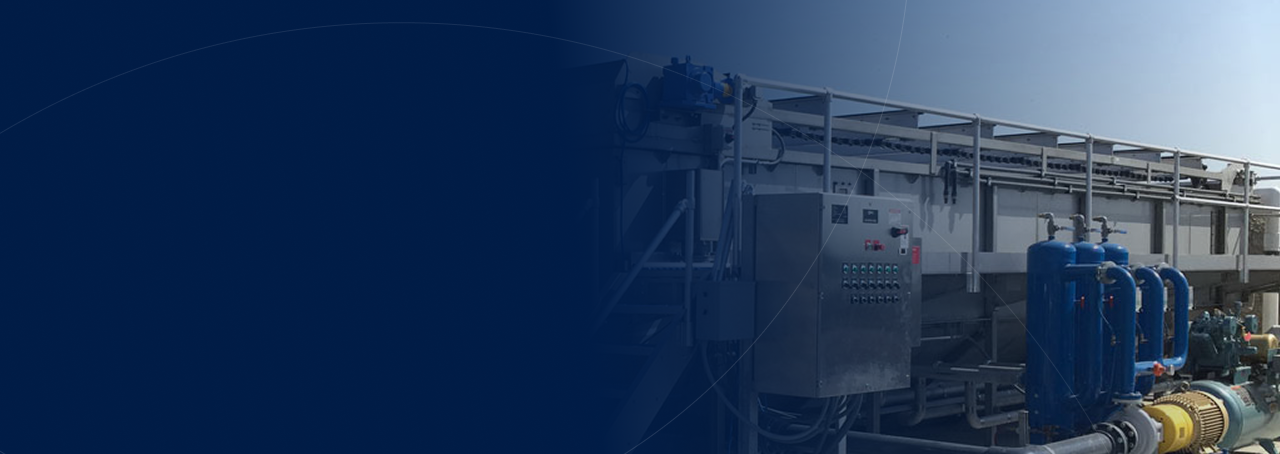
Decentralized
What is Decentralized Wastewater Treatment?
Most industries incur some level of wastewater, which has to be treated. Decentralized systems remain on-site so you can treat sewage and industrial effluent as close to the point of generation as possible.
The alternative (centralized treatment) involves collecting wastewater in a sewage network and transporting it to a central municipal facility. That’s expensive and complicated.
Benefits of Setting Up Decentralized Treatment
Decentralized treatment makes sense for any location where municipal connections are impractical, unavailable, or insufficient for the volume/pollutant load being produced. That includes housing developments, commercial buildings, remote industrial sites, resorts, campgrounds, and rural schools.
Here are some of the benefits of moving treatment closer to the source:
Lower Infrastructure Costs
You have to pay for miles of pipe, pump stations, and right-of-way agreements to connect to a municipal sewage system. Most of that is eliminated with a decentralized wastewater treatment system. Skipping sewer extension alone can cut capital costs by hundreds of thousands of dollars in some cases. This investment pays for itself.
Less Energy Consumption
You burn energy at every lift station between your site and where the wastewater is being pumped. The path from generation to discharge is slashed from miles to feet with on-site treatment.
Lowering pump demands not only brings down operating costs but also keeps your facility greener. Cutting that load matters even more for remote sites running on generators, solar batteries, or limited grid capacity.
Mitigating Sewage Spillage Risks
Every mile of sewer pipe is a potential failure point. Raw sewage overflows caused by cracked lines, overloaded mains, and pump station failures can lead to environmental damage and prompt regulatory action. There’s less to go wrong when you keep treatment on site, providing peace of mind.
Reusing Treated Water
You never see the water you paid for when you send it to a centralized plant for treatment. You can set up a decentralized system that treats effluent to a reuse-quality level, be it for irrigation, cooling, or process water. This minimizes your draw from municipal supply or wells.
Groundwater Protection
You can recharge the local water table by treating wastewater locally and discharging it through controlled subsurface systems, as opposed to piping it away. This is a measurable environmental benefit for sites in areas with sensitive aquifers or wellhead protection zones.


Key Features of Decentralized Wastewater Treatment With bioprocessH20
bioprocessH20 has more than 250 installations across North America, including systems at Coca-Cola, military facilities, and food processing plants. More than 75 million gallons are treated with our infrastructure each day. Every system is custom-built from the ground up around the specific flow rates, pollutant loads, and discharge standards required by your facility.
Your decentralized wastewater treatment system is manufactured in-house at our Portsmouth, RI facility and then supported by our team from commissioning through ongoing operation. We’re here for you from A to Z.
MBR Water Treatment
This technology combines biological degradation with membrane filtration. It yields the cleanest effluent for direct reuse. It consists of four distinct stages:
- Organic matter is broken down through biological treatment
- Ultrafiltration/microfiltration membranes separate solids from treated water
- Aeration maintains biology and prevents membrane fouling
- The finished water is pulled out via permeate extraction
We recommend MBR if you have limited space on your site and really strict effluent quality standards. Our bioFLOW and bioPULSE MBR lines are equipped to handle anything from landfill leachate to food and beverage process water.
MBBR Wastewater Treatment
The ideal approach for minimizing maintenance and maximizing energy efficiency. Plastic biofilm media carriers are suspended in an aerated tank where microorganisms can colonize and break down BOD, COD, nitrogen, and phosphorus as wastewater passes through.
MBBR takes much less energy than MBR and doesn’t need nearly as much operator involvement. It’s a great fit for remote sites or facilities with fewer staff resources. We’ve deployed our MBBR systems across food processing, military, and industrial applications with 90%+ BOD removal.
Take the Next Step Today
Any bioprocessH20 system is available in containerized configurations if you need to deploy ASAP or are interested in modular expansion. We handle every step from design to fabrication, installation, automation, and 24/7 post-install support as a single point of responsibility. Connect with our team today to learn more about decentralized wastewater treatment.

Frequently Asked Questions
Any facility that generates wastewater and doesn’t have dependable access to a municipal sewer system. The industries that are best suited for decentralization include housing developments, remote commercial buildings, campgrounds, gas stations, resorts, and industrial operations. Any site with impractical or expensive sewer extension is a good candidate.
Centralized systems collect wastewater from a wide area and process it at one large-scale plant. You’re dependent on municipal capacity and at the mercy of set maintenance schedules. Decentralized systems handle treatment on-site or very close by and can bring down costs for remote businesses.
Municipal sewer lines rarely extend into rural areas. They can be extended, but that is very expensive - which is usually not feasible for smaller populations. On-site treatment is a better option for rural communities, schools, and businesses. You also get more control over effluent quality with decentralized water treatment.
Yes. You eliminate sewer connection fees, pump station construction, and monthly surcharges from a municipal provider.
The systems we specialize in here at bioprocessH20 are capable of handling variable flows. MBR units automatically adjust membrane cycling rates, while MBBR biofilm carriers are self-regulating based on the organic load entering the tank. We can build in automated controls to respond to real-time flow and load data without any manual intervention.
Everything is done in-house. You’re not bounced around to different contractors. Design, fabrication, electrical and controls engineering, installation, and ongoing support all fall under one roof. You work with the same team from your first conversation to post-commissioning service.
Wastewater treatment for manufacturing, automotive wastewater treatment, meat processing wastewater treatment - no matter your industry, we can help. Reach out today!

Applicable Solutions

Largest Soft Drink Producer

Landfill Leachate

Potato Processing Plant

Letterkenny Army Depot

Cheese Producer