Manufacturing
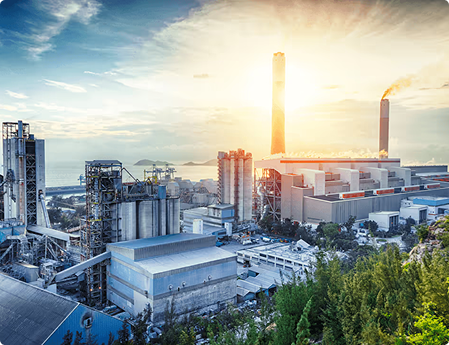
Why Do You Need to Treat Manufacturing Wastewater?
Manufacturing processes across industries generate effluent that’s loaded with contaminants you can’t send into a sewer system or surface water without proper treatment. That includes:
- Heavy metals like lead and mercury
- Chemical residues
- Organic waste
- Inorganic compounds such as salts and minerals
These contaminants show up in concentrations that your publicly owned treatment works (POTW) is not equipped to receive. You will get hit with surcharges if your wastewater exceeds the POTW’s acceptance thresholds for BOD, TSS, or metal concentrations.
There are also strict facility-specific discharge limits laid out by the Clean Water Act and NPDES permit system. Exceeding these can lead to fines, loss of permits, and forced production shutdowns until you get wastewater treatment squared away.
Some of the specific industries that need wastewater treatment include:
Benefits of Wastewater Treatment For Manufacturing
Investing in decentralized wastewater treatment for your manufacturing facility puts you in control of your own compliance. It also gives you the ability to reuse water post-treatment and bring costs down. Here’s why manufacturers turn to bioprocessH2O:
Regulatory Compliance
Enjoy peace of mind knowing you’re complying with the thresholds laid out in your NPDES permits or POTW pretreatment agreements for metals, organics, and solids. No more stressing about fines, shutdowns, or permit losses.
Lower Discharge Costs
Your POTW will apply surcharges on top of your standard sewer fee if your effluent exceeds BOD, TSS, or metal limits. Treating on-site can bring those concentrations back into an acceptable range, saving you money in the long run.
Water Reuse
Your manufacturing process likely uses water for washing, cooling, rinsing, and processing. You can treat that water to reuse quality and recirculate it to cut fresh water intake and bring down your utility costs.
Reduced Environmental Liability
Discharging contaminated wastewater can leave you stuck with cleanup costs in addition to fines, not to mention the reputational consequences that do irreversible damage to your operation. On-site treatment brings this risk lower.


How bioprocessH2O Supports Manufacturing Wastewater Treatment
Manufacturing is a general term that could cover dozens of distinct industries and even more specific processes. We’ve seen it all over the years after designing, installing, and supporting more than 250 custom wastewater treatment systems for manufacturers across North America.
Custom Treatment Based on Your Wastewater
A paper mill’s effluent is nothing like that of a metal finishing plant’s discharge. It’s why we start every design with a full analysis of your actual wastewater to get a better sense of the specific contaminants, loading patterns, and flow volumes. Then we start designing a system tailored to your manufacturing facility’s exact needs.
Real Success in the Field
We’re proud to have helped manufacturers like you get their wastewater treatment for manufacturing under control.
For example, our MBBR wastewater treatment system at Onyx Specialty Paper reduces BOD by more than 90% under continuous production loads. There are three Coca-Cola facilities across the country running our MBBR systems to keep their beverage discharge compliant, too.
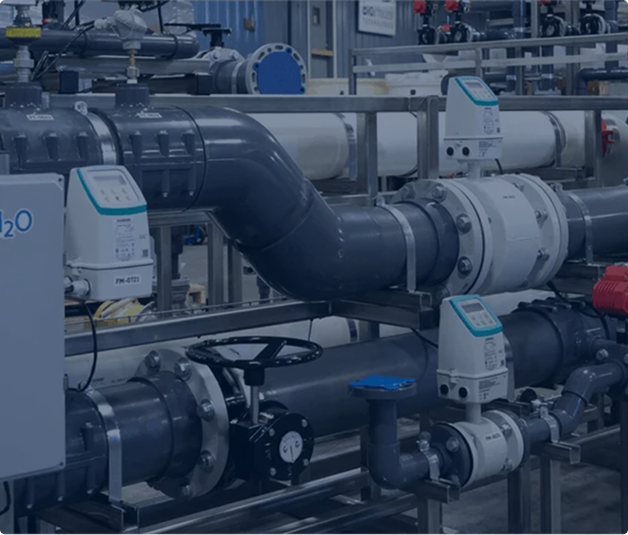
Our MBR water treatment is the perfect fit for any application demanding the cleanest possible effluent for a discharge permit or reuse application. It features membrane filtration downstream of biological treatment to reject solids and contaminants that would otherwise get missed.
We also helped a centralized waste recycler build its own combination system featuring both MBR and MBBR technology to eliminate both BOD and TSS from mixed industrial effluent.
Ongoing Support From the Same Team
This is an all-in-one experience. Our systems come with in-house automation and control packages with remote monitoring capabilities. This way, your operators and our support staff can track performance around the clock. You can even get started with a pilot study using portable equipment on your actual wastewater before committing to a full build.
Frequently Asked Questions
It all depends on what’s in the water. It will likely be a combination of physical, chemical, and biological stages, each of which gets matched to your specific contaminant profile. For example, screening catches the big debris so DAF or chemical precipitation can take care of oils, metals, and suspended solids. Biological systems like MBR or MBBR break down dissolved organics.
Yes. An MBR system can produce effluent clean enough for non-contact reuse applications such as cooling and rinsing. It depends on the contaminants present and the quality standard of the specific application.
MBR yields the highest quality effluent, and it works exceptionally well in tight footprints. MBBR is better for varying loads and requires less energy since the biology is self-regulating. We can help you make the right choice based on your discharge limits, how much space you have, production variability, and whether you need to reuse the water.
Yes. Our systems are designed with expansion in mind. We can explore additional treatment capacity, transitioning from MBBR to MBR, or incorporating membrane polishing for water reuse down the road if need be. But first, you need to take the next step towards upgrading your wastewater treatment for manufacturing with bioprocessH2O!

Applicable Solutions

Largest Soft Drink Producer

Landfill Leachate

Potato Processing Plant

Letterkenny Army Depot

Cheese Producer