Centralized Industrial Treatment
Centralized Industrial Wastewater Treatment
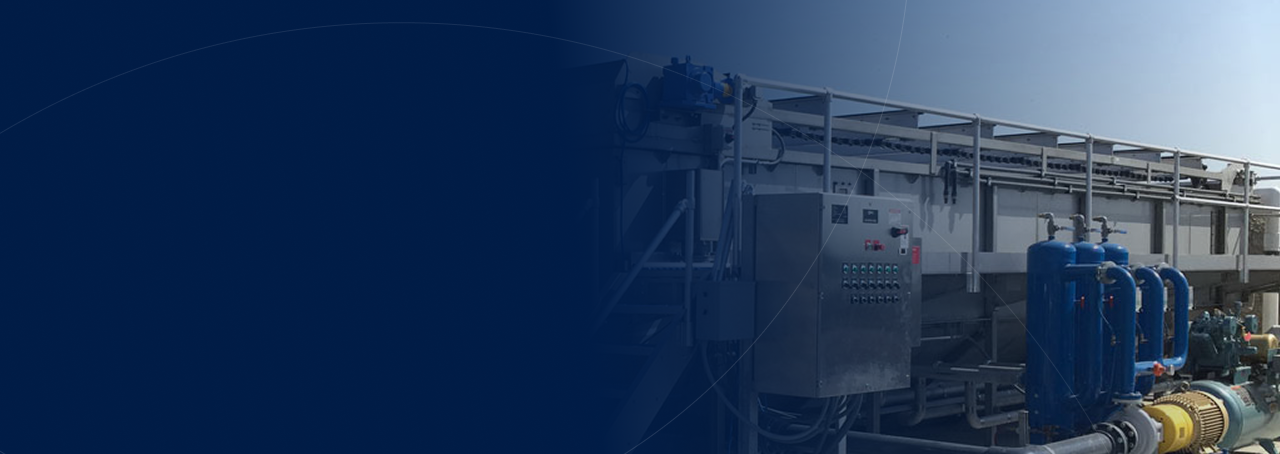
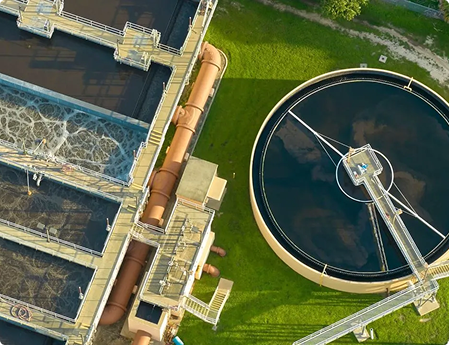
Centralized Industrial Treatment by BioprocessH2O is designed to address the complex wastewater challenges of multiple industries collectively. This approach allows for the efficient handling of a variety of pollutants at a larger scale, ensuring cost-effectiveness and compliance with environmental regulations.
Our systems are engineered to treat high volumes of industrial wastewater, encompassing a range of contaminants from different industrial activities. By centralizing treatment, we offer a sustainable and effective solution to manage industrial effluents, reducing the environmental footprint of industries.
Treatment Capabilities
Wastewater in the Centralized Industrial Treatment industry contains many harmful pollutants including but not limited to:
- Diverse Industrial Contaminants: Efficient handling of mixed effluents from various industries.
- High-Volume Capacity: Systems designed for large-scale industrial wastewater treatment.
- Regulatory Compliance: Ensuring adherence to strict environmental standards.
- Cost-Effectiveness: Centralized approach for economic efficiency in treatment.
BioprocessH2O provides custom wastewater treatment systems designed to help facilities comply with local, state, and federal regulations and reduce or eliminate surcharges.

Frequently Asked Questions
Decentralized wastewater treatment refers to systems that treat sewage and wastewater on-site or near the source, rather than transporting it to a large, centralized municipal facility. This approach is ideal for individual buildings, small communities, or businesses not connected to municipal sewer systems. Unlike centralized systems that require extensive pipeline infrastructure, decentralized systems are more localized, often more cost-effective, and can be tailored to specific site needs.
Decentralized wastewater treatment is versatile and can benefit various properties, including:
- Gas stations
- Housing developments
- Apartment complexes
- Commercial buildings
- Remote industrial facilities
- Resorts and campgrounds
- Schools in rural areas
These systems are particularly advantageous for properties in areas without access to municipal sewer systems or where extending such systems would be cost-prohibitive.
Decentralized wastewater treatment offers several environmental benefits:
- Reduced energy consumption for pumping wastewater long distances
- Decreased risk of large-scale sewage spills
- Enhanced groundwater recharge through local treatment and disposal
- Improved water conservation through potential reuse of treated water
- Reduced strain on existing centralized systems, potentially extending their lifespan
- Flexibility to implement advanced treatment technologies tailored to local environmental needs
By treating wastewater locally, these systems help maintain the natural water cycle and can significantly reduce the overall environmental footprint of wastewater management.

Applicable Solutions

Largest Soft Drink Producer

Landfill Leachate

Potato Processing Plant

Letterkenny Army Depot

Cheese Producer