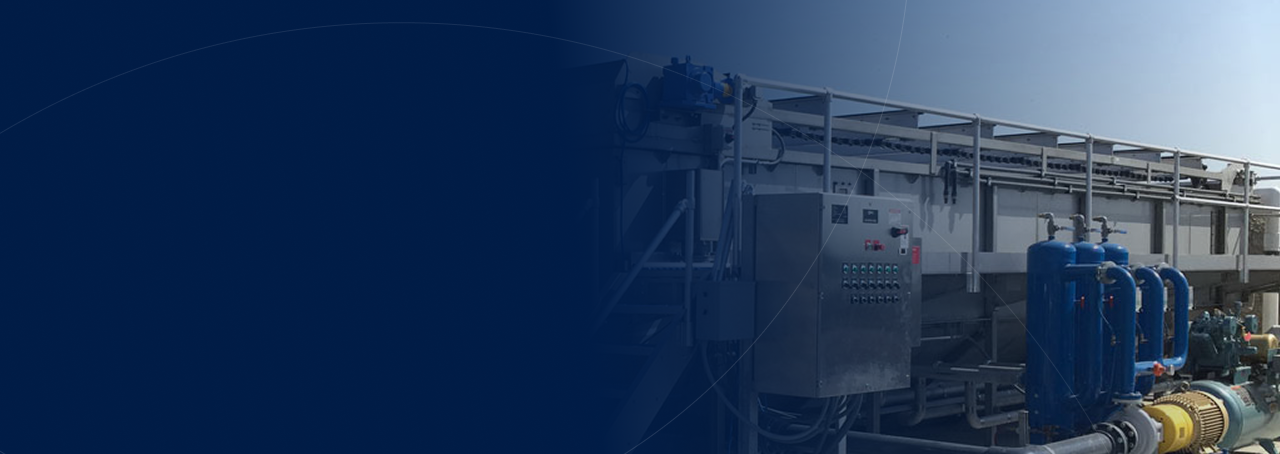
Petrochemical

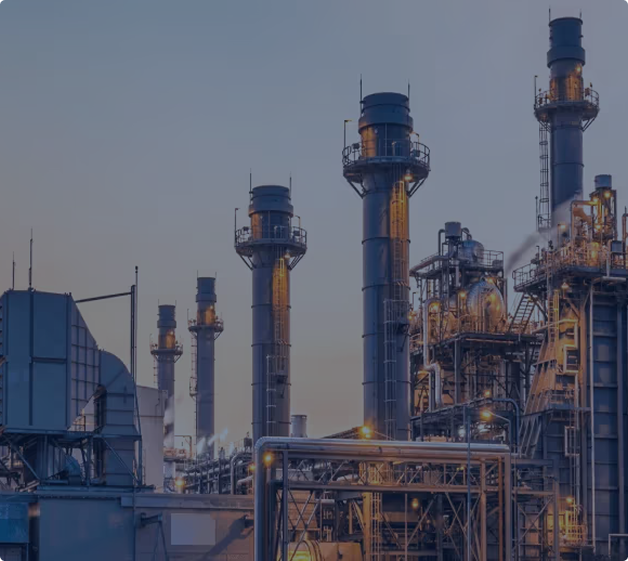
Characteristics of Wastewater in the Petrochemical Industry
Petrochemical wastewater is never one-size-fits-all, which is why every system we develop starts with a thorough analysis of your lab test results. This allows us to develop the most optimized system possible.
Here are some of the common issues with petrochemical wastewater:
- Hydrocarbons: Refinery and petrochemical process water is often loaded with benzene, toluene, ethylbenzene, and xylene (BTEX). These dissolved solids raise COD and be toxic in the concentrations they’re commonly found in.
- Phenols and organic acids: These phenolic compounds are difficult to remove and tightly regulated in discharge permits.
- Oil and grease: Free and emulsified oils get in the way of downstream processes if they’re not removed early on.
- Sulfides and ammonia: Cracking and desulfurization waste streams often contain hydrogen sulfide and ammonia nitrogen, both of which are heavily restricted in discharge limits.
- High TDS: Dissolved salts and inorganic compounds can become quite high, especially in operations with cooling tower blowdown or brine waste.
In our experience, the real challenge with wastewater treatment for the petrochemical industry is this variability. A refinery’s wastewater is so different from a polyethylene plant's. Both can shift as production changes. The treatment system has to be versatile and adaptable.
Benefits of Petrochemical Wastewater Treatment
Investing in on-site petrochemical wastewater treatment delivers a measurable return in:
- Regulatory compliance: Your operation is held to strict standards via discharge permits under the Clean Water Act, specifically regarding hydrocarbons, phenols, heavy metals, and conventional pollutants. A well-designed system keeps effluent within those limits.
- Water reuse: You can send treated effluent back into cooling systems, boiler feed, or process water, minimizing freshwater usage and the costs that come with it.
- Lower disposal costs: Untreated (or poorly treated) wastewater takes a hit on your bottom line, be it due to municipal surcharges or off-site hauling. You can bring both costs down with on-site treatment.
- Minimizing environmental liability: Effective treatment limits the risk of regulatory exposure and cleanup obligations resulting from permit exceedances and contaminated discharge.
- Peace of mind: Permit violations and the subsequent shutdowns can have far-reaching implications on production schedules and your reputation. You can rest assured your operation will remain in good standing with the right system in place, which is worth the investment alone.

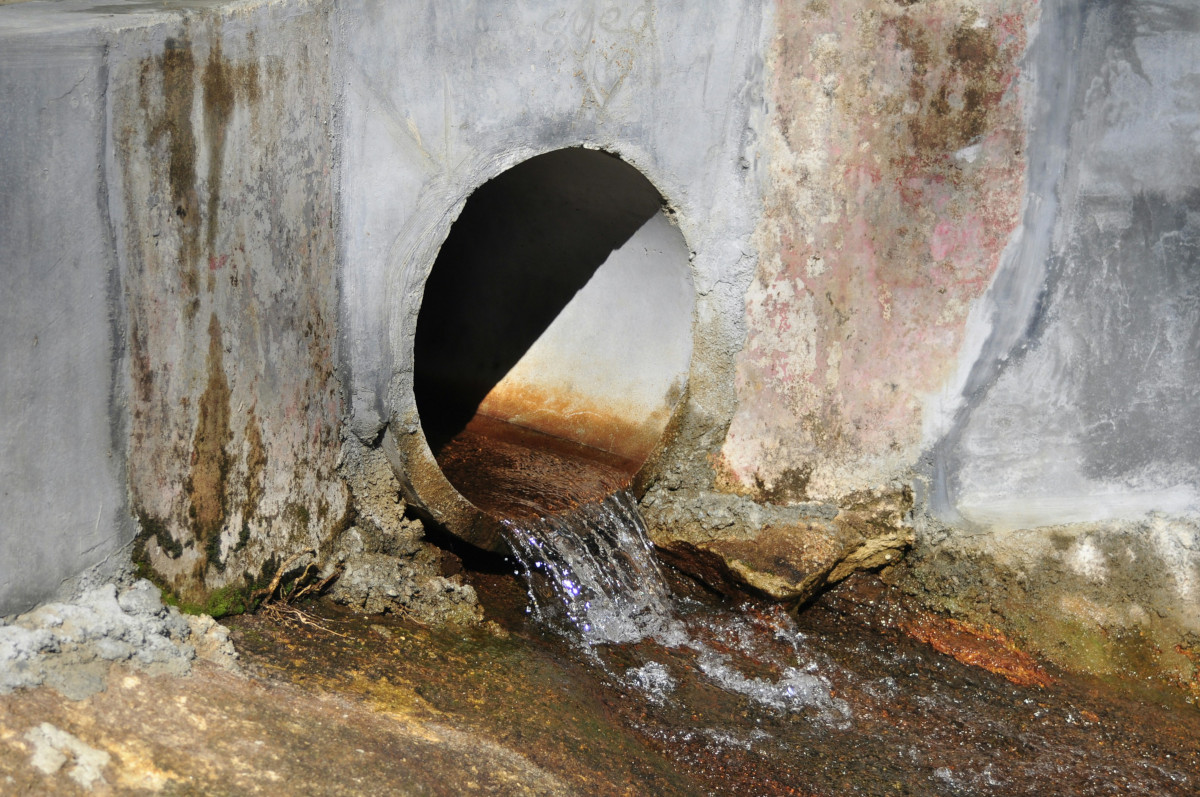
Our Approach to Wastewater Treatment For the Petrochemical Industry
We’ve helped build 250+ wastewater treatment systems across North America, spanning every industry you can imagine - including the petrochemical industry.
While every facility we work with is different, the common theme at bioprocessH2O is a staged framework. The sequence and sizing comes down to your specific waste stream.
Pretreatment and Oil Removal
Wastewater screening equipment captures larger debris, while dissolved air flotation (DAF) uses micro-bubbles to bring remaining oil, grease, and fine suspended solids to the surface where they can be skimmed.
DAF is especially important in petrochemical applications since oil and grease can foul membranes and get in the way of the microorganisms in downstream biological systems.
Biological Treatment
Biological wastewater treatment is critical after pre-treatment. It addresses dissolved organics such as hydrocarbons, phenols, and ammonia. There are a few directions we can go here, depending on how self-sufficient, affordable, and compact your system must be.
Our MBR systems (bioFLOW, bioPULSE) bring together biological degradation with membrane filtration to maximize effluent quality in as small a footprint as possible.
Our bioFAS MBBR systems are a bit simpler. They achieve high organic removal with less operational complexity. They’re the better choice when energy efficiency and simplicity take precedence.
Advanced Filtration and Polishing
The job may be finished after biological treatment for some facilities, but others have tighter discharge limits or want to be able to reuse water. Additional stages can be implemented to achieve these goals.
Our ultraPULSE ultrafiltration and microPULSE microfiltration systems remove fine solids and residual contaminants. We can implement activated carbon filtration to adsorb trace organics, phenols, and chlorinated compounds. Reverse osmosis can take care of dissolved salts and TDS to get water to reuse quality.
No matter the discharge target, we can develop the necessary wastewater treatment for the petrochemical industry. It starts with a pilot study to confirm your contaminant profile. Then we’ll talk about your flow rates, discharge limits, space constraints, and budget. We’re here for you long after implementation, too, with ongoing monitoring and support to ensure your system delivers. Take the next step today at bioprocessH2O!
Frequently Asked Questions
Hydrocarbons (BTEX), phenols, oil and grease, sulfides, ammonia, heavy metals, and dissolved solids. We always confirm the exact profile before designing a system for our clients, as it can vary quite a bit depending on the products being manufactured and the specific processes generating the waste stream.
Yes. We have created many petrochemical wastewater treatment systems that generate reuse-quality effluent. These are multi-stage solutions consisting of DAF, biological processes, ultrafiltration, and reverse osmosis. The water is clean enough for use in cooling towers, boiler feed, and some process applications.
The same way we do for textile industry wastewater treatment, landfill leachate wastewater treatment, food & beverage industry wastewater treatment, and every other industry. It always starts with an analysis of your wastewater and flow rates. From there, we’ll figure out what fits in your facility and your budget for the system. Then we design, build, and implement it in-house - never outsourcing. We’re here for you long after implementation, too. Inquire about our wastewater treatment for the petrochemical industry today.

Applicable Solutions

Largest Soft Drink Producer

Landfill Leachate

Potato Processing Plant

Letterkenny Army Depot

Cheese Producer

Looking by contaminant?