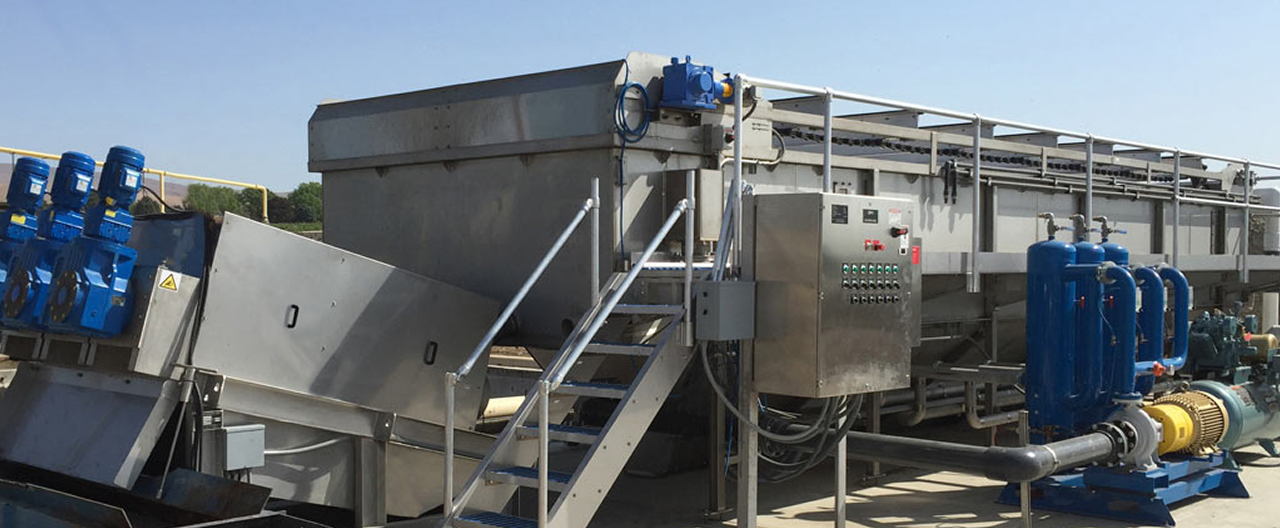
Reverse Osmosis Systems (RO)
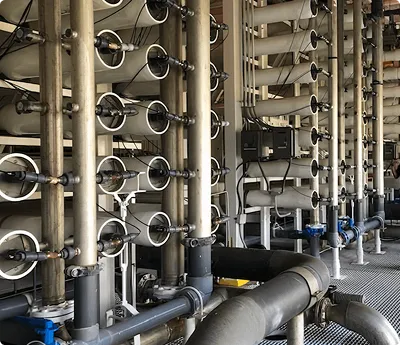


What is Reverse Osmosis?
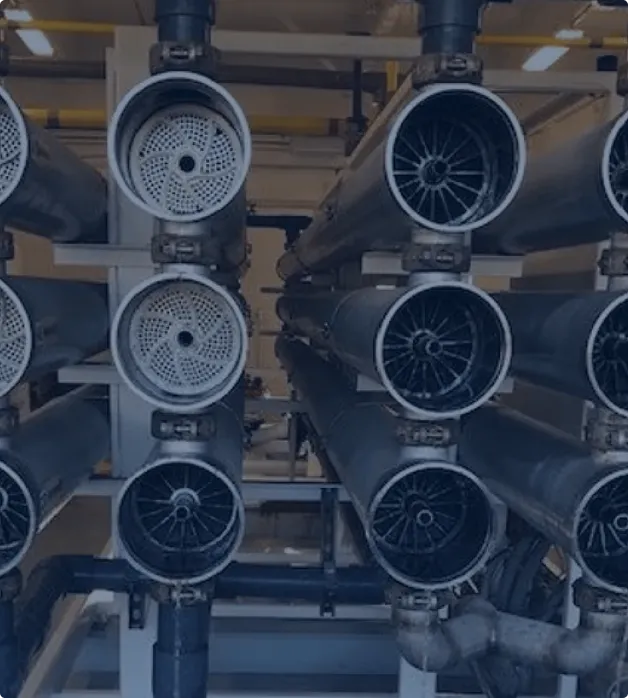
Reverse Osmosis (RO) Systems are a cornerstone of modern water purification technology. At its core, an RO system uses a semi-permeable membrane to filter out a wide range of contaminants from water, including dissolved salts, bacteria, viruses, and various chemical impurities. This process is achieved by applying pressure to overcome osmotic pressure, a colligative property, pushing water through the fine pores of the membrane while leaving larger particles and impurities behind. The RO process begins with pre-filtration, where sediments and larger particles are removed to protect the RO membrane. Then, the pressurized water is directed through the RO membrane, a sophisticated component made of thin-film composite with microscopic pores. These pores are small enough to exclude dissolved ions and molecules, ensuring only water molecules can pass through. A key advantage of RO systems is their ability to remove up to 99% of dissolved salts (ions), particles, organics, and other contaminants from the feed water.
The result is exceptionally pure water, often surpassing the quality of conventional water filtration methods.Beyond just purification, RO systems are valued for their versatility. They can be used in a variety of settings, including desalination of seawater, treatment of industrial wastewater, and provision of potable water. The systems can be scaled from small, under-the-sink units for domestic use to large-scale municipal or industrial applications. Another significant aspect of RO technology is its environmental impact. By improving water quality and enabling the reuse of water, RO systems contribute to water conservation efforts and reduce the strain on freshwater resources. Additionally, advancements in membrane technology and system design have made RO systems more energy-efficient and cost-effective than ever before.
In summary, Reverse Osmosis Systems are an advanced, effective, and versatile solution for a multitude of water purification needs. They play a crucial role in providing clean, safe water in both commercial and environmental contexts.
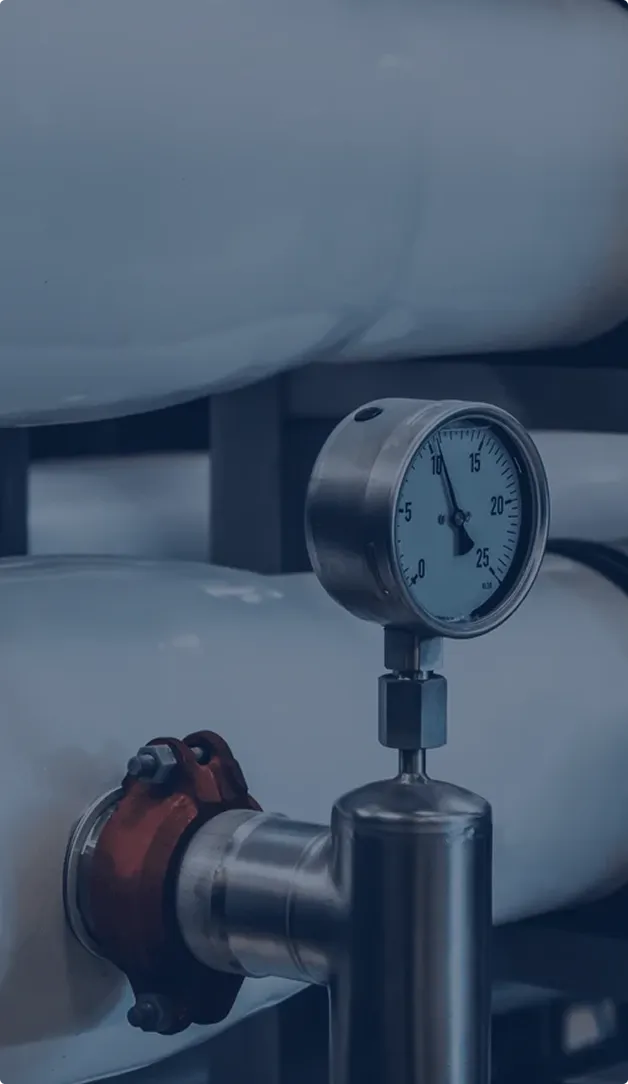
How RO Systems Work
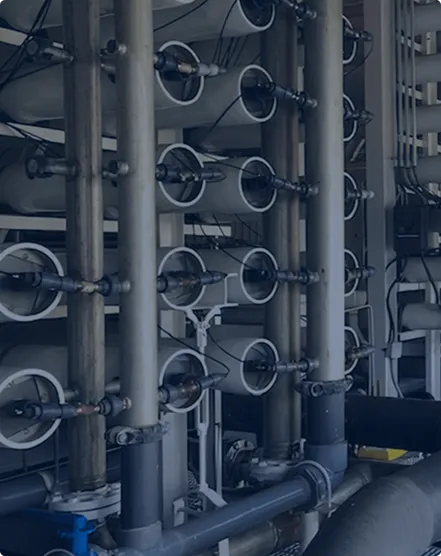
Pre-Filtration:
Applying Pressure:
Membrane Filtration:
Contaminant Removal:

Largest Soft Drink Producer

Landfill Leachate

Potato Processing Plant

Letterkenny Army Depot

Cheese Producer
Why Choose bioprocessH2O for RO Systems?
- Advanced Purification Technology: We specialize in state-of-the-art RO systems that deliver exceptional water purity.
- Custom-Designed Solutions: Tailored to meet specific water quality requirements of each client, ensuring optimal performance.
- Energy-Efficient Operations: Our RO systems are engineered for maximum efficiency, reducing energy costs.
- Long-Term Durability: Built to last, with high-quality components designed for extended lifespan and reliability.
- Comprehensive Support: From initial design to ongoing maintenance, we provide full support for our RO systems.
- Eco-Friendly and Sustainable: RO technology supports sustainability goals by reducing wastewater and chemical use.
- Cost-Effective Water Treatment: Our RO systems offer an economical solution for high-quality water treatment over the long term.
Additional Benefits
- High Removal Efficiency: Effectively removes a wide spectrum of impurities, including dissolved salts and microorganisms.
- Customizable Systems: Adaptable to a variety of treatment capacities and water quality requirements.
- Automated Controls: Ensures optimal performance with minimal manual intervention.
- Consistent Water Quality: Delivers a steady output of purified water, regardless of feed water variations.
- Reduced Waste Production: Minimizes the generation of waste products compared to conventional treatment methods.
- Regulatory Compliance Assistance: Helps clients navigate and adhere to stringent water quality standards.