Pulp and Paper
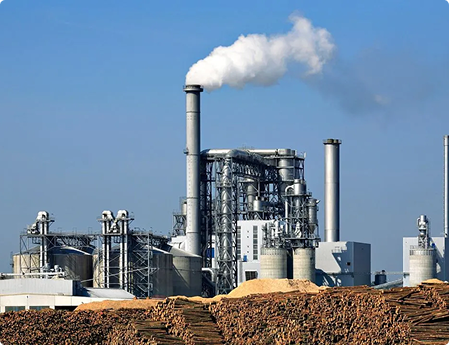

Why Treat Pulp and Paper Wastewater?
Pulping, bleaching, coating, and finishing all generate wastewater loaded with lignin, cellulose fibers, and the chemicals used to process them. This creates real challenges for pulp and paper wastewater treatment. The effluent has a very high organic content and chemical oxygen demand (COD) with dramatic color.
BOD concentrations can vary quite a bit depending on the operation. We’ve seen 60 mg/L at paperboard finishing facilities, 10,000 mg/L at pulp mills, and over 25,000 mg/L at a specialty paper manufacturer.
This wastewater cannot make its way into waterways untreated. The chemical contaminants it carries are a threat to aquatic ecosystems. Mills discharging to municipal systems face surcharges or restrictions when BOD and suspended solids are higher than acceptable levels.
But there’s also the financial case for treating wastewater from pulp and paper manufacturing. You know as well as anyone how much water your operation uses. Effective wastewater treatment for manufacturing at this scale allows you to reclaim and reuse process water.
Our Approaches to Pulp and Paper Wastewater Treatment
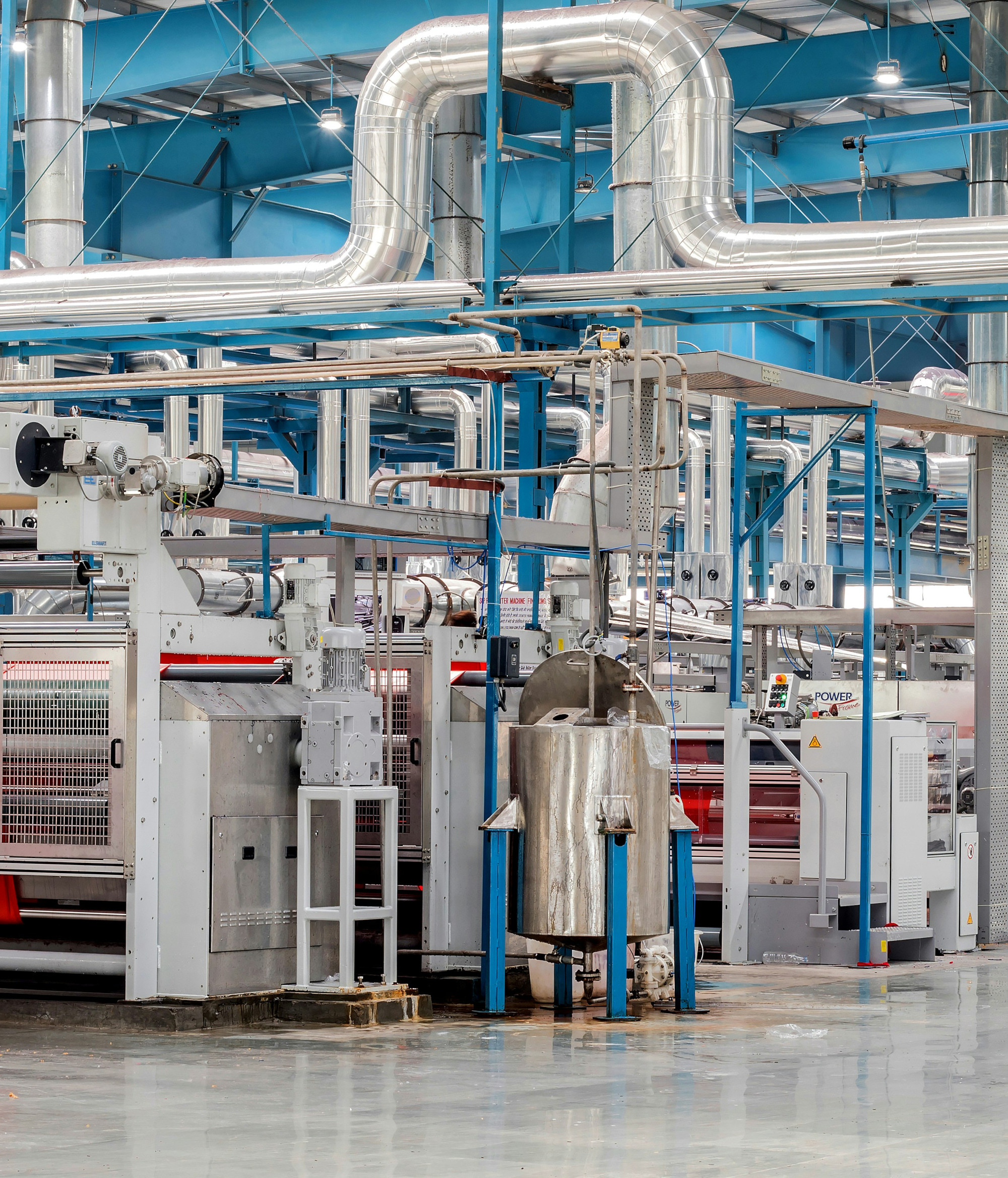
We build every pulp and paper wastewater treatment system around the specific contaminant profile and flow of the mill we’re working with. Our systems have been deployed at facilities processing anywhere from 15,000 GPD to over 1,000,000 GPD, each fine-tuned to meet the mill’s specific discharge or reuse targets.
Everything is done at our Portsmouth, RI facility - initial design all the way through fabrication. From there our systems travel all over the world. We handle installation and provide long-term support, too, so you can rest assured you’re partnering with someone who is genuinely interested in your success.
Biological Treatment with bioFAS MBBR
While every operation is unique, most of the systems we build start with bioFAS MBBR as the biological step. Microbial colonies grow on plastic media carriers, which then break down organics at a very high rate of efficiency. This technology is capable of handling the high-BOD loads and variable chemistry that mills have to deal with.
Pretreatment and Solids Removal
Our wastewater screening systems grab large cellulose fibers and debris before the bilogical treatment. Dissolved air flotation (DAF) systems work very well on suspended solids, FOG, and insoluble organics. These use micro-bubble flotation combined with chemical coagulants. Having a pretreatment stage allows the MBBR filter to work more efficiently. It also prolongs the life of downstream biological systems.
Polishing and Water Reuse
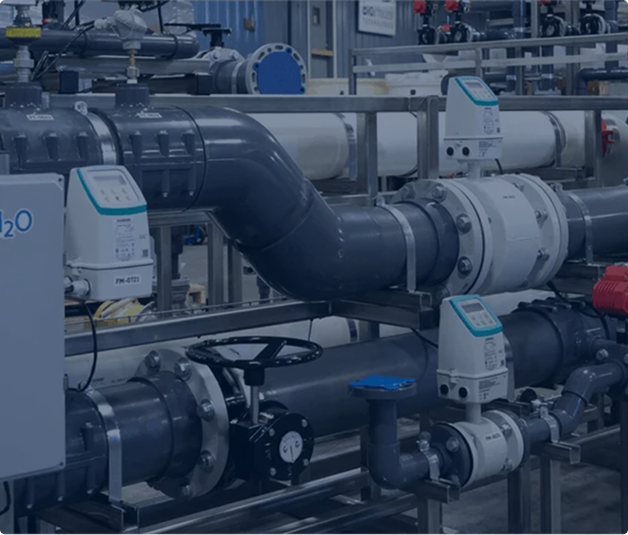
Membrane filtration (our ultraPULSE and microPULSE systems), activated carbon, and reverse osmosis can handle the finishing touches when discharge permits or reuse goals call for it. RO is capable of removing up to 99% of dissolved solids so the water can be used in non-contact mill processes.
Pulp and Paper Wastewater Treatment Systems We’ve Built
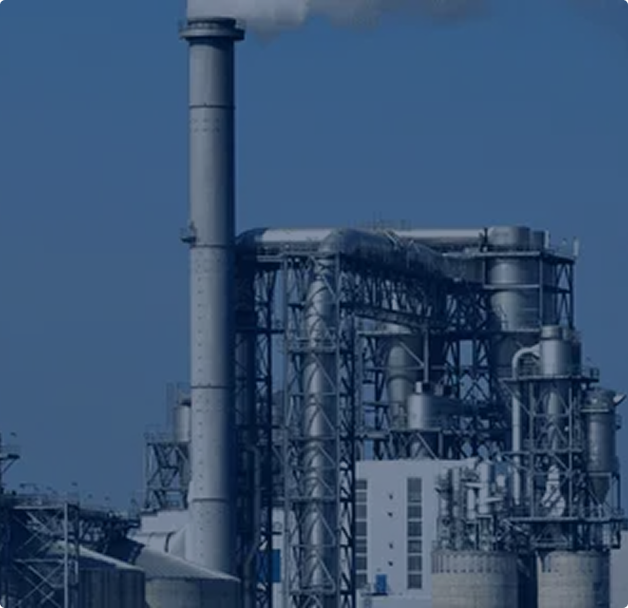
Onyx Specialty Papers entrusted us with building their wastewater treatment system. We designed and implemented a two-stage bioFAS MBBR that processes 150,000 GPD with influent BOD of 25,000 mg/L, reducing it to under 500 mg/L - a 90% removal. The system also cuts TSS from 350 to under 10 mg/L and removes 97% of formaldehyde. The system keeps the facility fully NPDES compliant.
We also worked with a pulp and paper producer in West Virginia on a retrofit job. We put a single-stage bioFAS MBBR in the mill’s existing clarified water tank, and it now removes more than 2,518 lbs/day of soluble BOD. That’s at 40,000 GPD and influent BOD of 10,000 mg/L. Now, the mill’s SBR system meets effluent limits it couldn’t hit before.
Ox Paperboard is another mill that relies on our bioFAS MBBR to handle 1,000,000 GPD. In this case, the system brings BOD down from 60 mg/L to a mere 10 mg/L, while formaldehyde drops from 14.5 mg/L to 0.5 mg/L.
Ready to Begin Treating Pulp and Paper Wastewater?
It all starts with a conversation. Talk to our team about your mill’s wastewater profile, flow volume, and discharge targets. We’ll put together a pulp and paper wastewater treatment system matched to your mill's exact requirements.
Frequently Asked Questions
Because it’s loaded with organic compounds, cellulose fibers, lignin, and process chemicals. These deplete oxygen and contaminate waterways if they get discharged as is. There are federal and state regulations in place requiring treatment before discharging effluent into surface water or even municipal systems.
Yes. Mills discharging to surface water need NPDES permits. Those sending wastewater to municipal systems must meet pretreatment standards, or they’ll be hit with insane surcharges. Non-compliance has serious fines, and in some cases, could lead to operational restrictions. Investing in a purple and paper wastewater treatment system is non-negotiable.
A combination of physical and biological treatment. It starts with screening and DAF to grab out fibers and solids. Then, something like MBBR can break down dissolved organics. Some operations have a third stage for polishing. This is common if the goal is to reuse the water.
Yes. The right treatment train can polish mill effluent to a suitable quality for reuse in non-contact processes, including cooling, washing, or fiber preparation.
Black liquor from kraft pulping is usually recovered, concentrated, and burned in recovery boilers to reclaim cooking chemicals and generate steam for the mill. It is treated separately from the mill’s wastewater. The systems used for wastewater and black liquor are not the same.
Yes. Our systems can be retrofitted into existing tanks and infrastructure, and we can expand capacity or change technology down the road if something changes. We’re a partner for life rather than a company that sells you a system one time.

Applicable Solutions

Largest Soft Drink Producer

Landfill Leachate

Potato Processing Plant

Letterkenny Army Depot

Cheese Producer