Wastewater Aeration Explained
Discover the impact of wastewater aeration in enhancing treatment efficiency and environmental protection. Learn about systems, techniques, and innovations vital for sustainable water management.
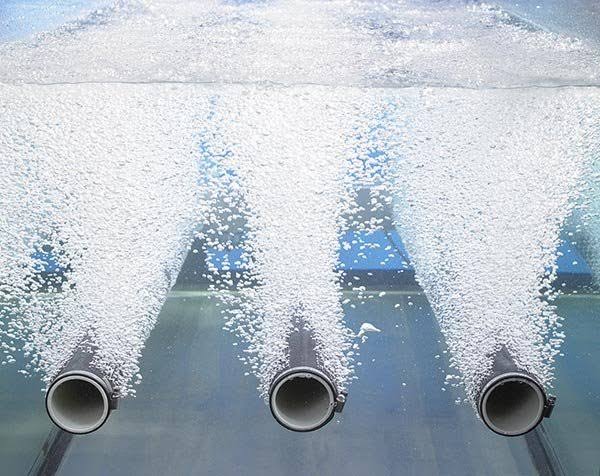
Wastewater aeration is a vital process in modern water treatment. It involves introducing air into wastewater to support microbial activity. This process is essential for breaking down organic matter and reducing pollutants.
Aeration systems are used in sewage treatment plants (STPs) and other wastewater facilities. They help improve water quality and protect the environment. By increasing dissolved oxygen levels, aeration supports the growth of beneficial bacteria.
Different types of aeration systems exist, each with unique benefits. These systems can be customized to meet specific treatment needs. They play a crucial role in sustainable water management practices.
The benefits of wastewater aeration extend beyond treatment plants. They contribute to the health of aquatic ecosystems. Understanding these techniques is key to improving water treatment efficiency and effectiveness.
Understanding Wastewater Aeration
Wastewater aeration refers to the process of infusing air into wastewater. This promotes the growth of aerobic microbes that decompose organic material. It is a crucial step in many sewage treatment plants (STPs).
Aeration in wastewater treatment enhances the effectiveness of biological treatment processes. By boosting dissolved oxygen, it supports the activity of beneficial microorganisms. These organisms are responsible for breaking down contaminants and reducing biochemical oxygen demand (BOD).
There are various components involved in aeration systems. Common equipment includes surface aerators, diffused aeration systems, and mechanical aerators. Each type has its specific advantages and applications in treatment processes.
Key roles of aeration in wastewater treatment:
- Increases dissolved oxygen: Supports microbial activity.
- Reduces odors: Minimizes harmful gas formation.
- Enhances treatment efficiency: Improves pollutant breakdown.
.gif)
By understanding its role, water treatment professionals can optimize the design and operation of aeration systems for better water quality and environmental protection.
Key Functions of Aeration in Wastewater Treatment
Aeration plays a fundamental role in wastewater treatment. It is essential for supporting the biological processes that cleanse wastewater. By introducing oxygen, aeration promotes microbial health and activity.
One importsnat function of aeration is to enhance the decomposition of organic pollutants. When microbes receive adequate oxygen, they efficiently break down waste materials. This is crucial for reducing the wastewater's biological oxygen demand (BOD).
Aeration also aids in the nitrification process. This involves converting toxic ammonia into less harmful nitrates. Subsequent denitrification can further transform nitrates into nitrogen gas, releasing it harmlessly into the atmosphere.
Key functions of wastewater aeration include:
- Supporting microbial growth: Provides necessary oxygen.
- Enhancing pollutant breakdown: Reduces BOD levels.
- Facilitating nitrification and denitrification: Removes nitrogen compounds
Additionally, aeration helps control odors in treatment facilities. By minimizing the formation of anaerobic zones, aeration reduces the production of smelly gases like hydrogen sulfide.
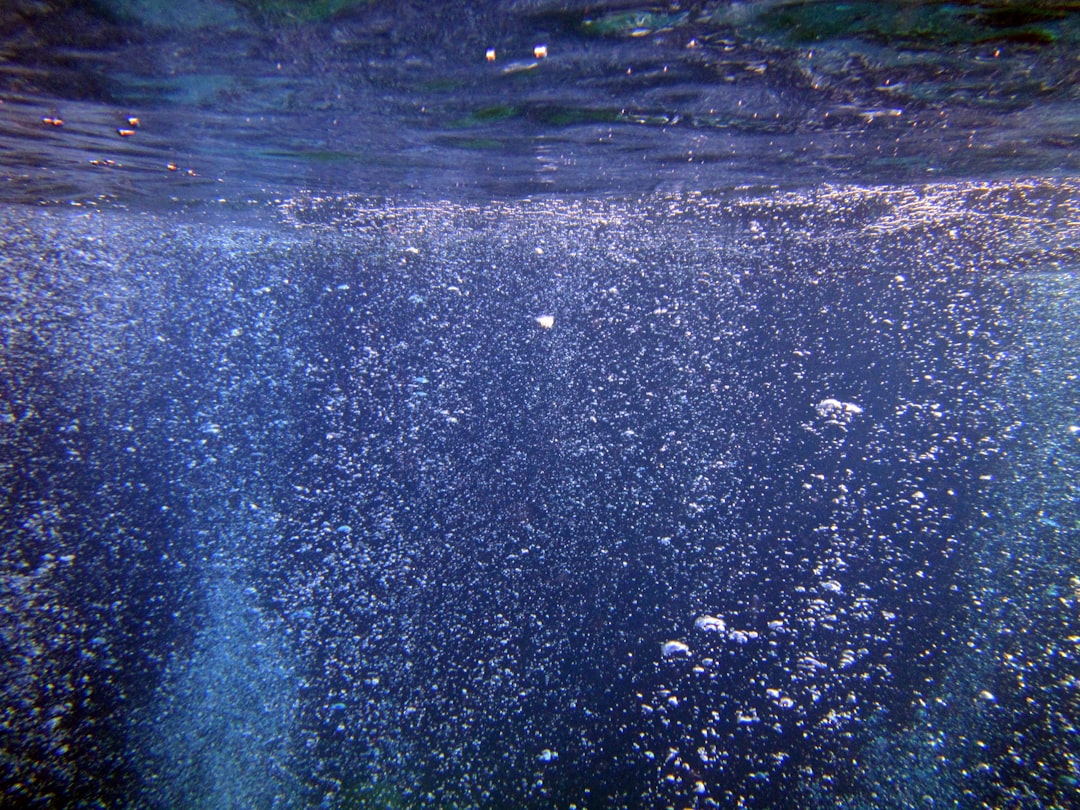
Overall, aeration is indispensable for the effective and sustainable treatment of wastewater.
Types of Wastewater Aeration Systems
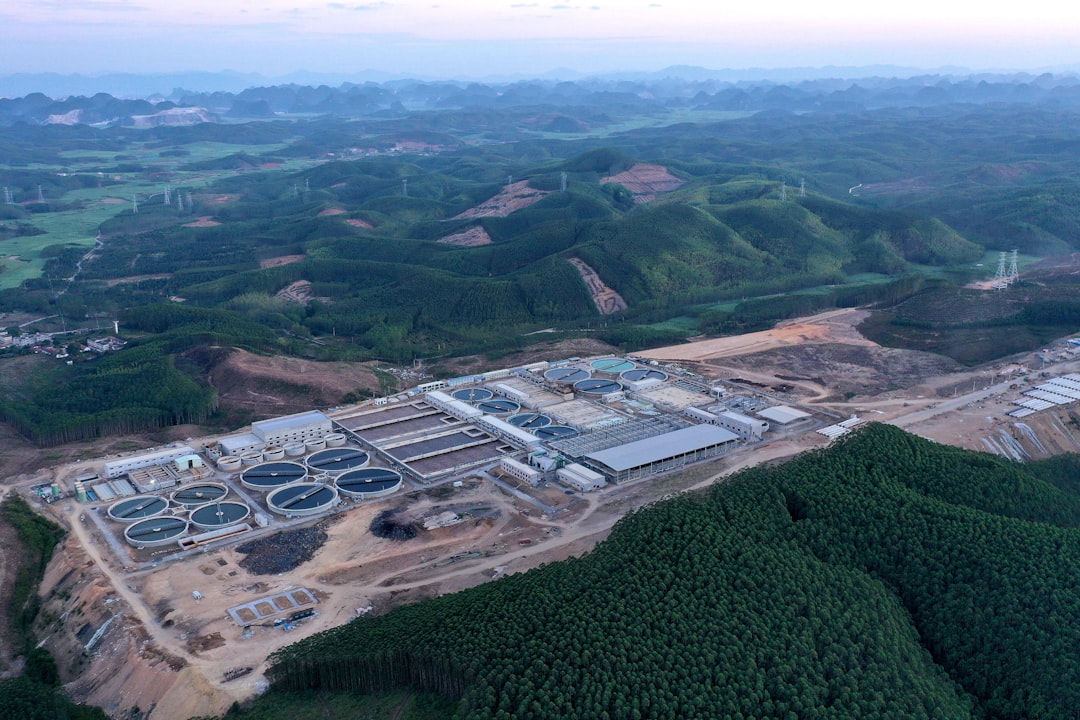
There are several types of aeration systems used in wastewater treatment. Each system has its unique advantages and applications. Selecting the right one depends on multiple factors.
One popular system is the surface aerator. It works by agitating the water's surface, which facilitates oxygen transfer. This method is often used in treatment lagoons and ponds.
Diffused aeration systems are another common choice. They release small bubbles through diffusers located at the tank bottom. This technique increases the contact area between air and water, enhancing oxygen transfer rates.
Important types of wastewater aeration systems include:
- Surface Aerators: vertical-axis (high-speed/low-speed) and horizontal-axis (brush/rotor)Diffused Aeration Systems
- Coarse-bubble (non-porous) diffusion
- Fine-bubble (fine-pore) diffusion
- Jet Aeration: hybrid pump-and-blower systems
Mechanical aerators use impellers or paddles to mix air into the water. Submersible aerators are placed below the water surface, ensuring efficient oxygen distribution. Both types are highly effective and adaptable to different settings.
by Andy Luo (https://unsplash.com/@andy8647)
Selecting an aeration system requires considering factors like plant size, wastewater characteristics, and cost. Each system can be optimized for maximum efficiency.
Surface Aerators
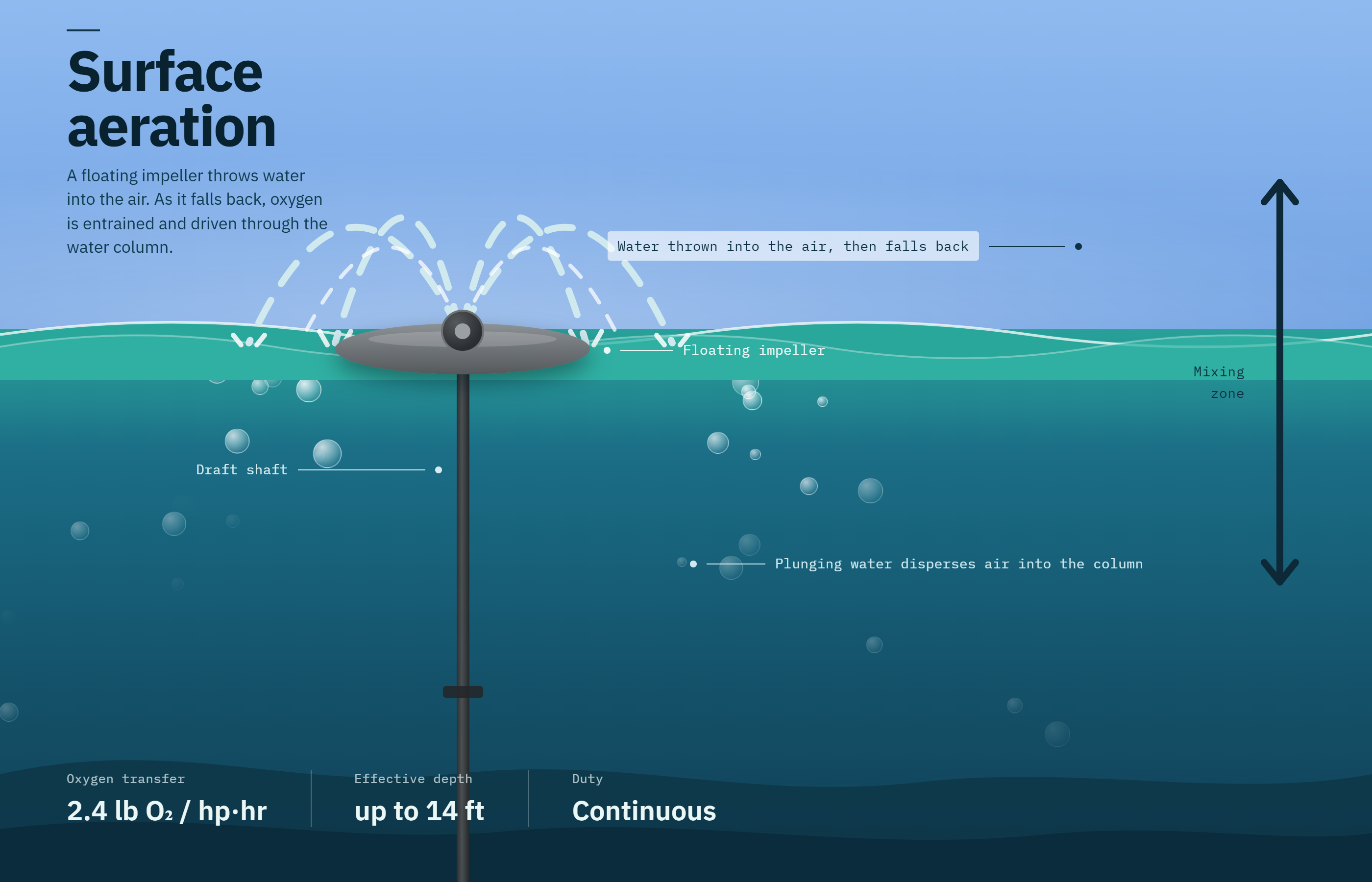
Surface aerators are effective for oxygenating large bodies of water. They operate by splashing water to mix air into it. This method is straightforward and suitable for open areas.
These aerators are most effective in lagoons, ponds, and basins. They encourage uniform oxygen distribution, which boosts microbial health. Although simple, surface aerators are highly efficient under the right conditions.
Diffused Aeration Systems
Diffused aeration systems use pipes and diffusers to introduce air below the water surface. Rising bubbles transfer oxygen as they travel upward through the tank. Bubble size determines how efficiently that transfer happens, which is why these systems are divided into two categories.
Fine-bubble diffusers produce bubbles of roughly 1 to 3 millimetres through membrane discs, panels, or ceramic domes. The small bubble size creates far more surface area per volume of air, giving these systems the highest oxygen transfer efficiency available. They are the standard choice for activated sludge basins. However, the fine pores are prone to fouling and require clean, filtered air.
Coarse-bubble diffusers release larger bubbles through simple non-porous openings. Oxygen transfer is less efficient, but the design is far more durable and needs little maintenance. Therefore, they suit MBBRs, aerated grit chambers, sludge holding tanks, channel aeration, and industrial streams carrying high solids or grease.
Both types are more energy efficient than surface aerators, which is why diffused aeration dominates in activated sludge processes and other complex systems.
by Naoki Suzuki (https://unsplash.com/@naopp)
Jet Aerators
Jet aerators combine a pump and a blower in one system. A recirculation pump forces wastewater through a nozzle, and compressed air is injected into that fast-moving discharge stream. The shearing action breaks the air into fine bubbles while driving strong horizontal mixing across the tank.
This dual action makes jet aeration well suited to deep tanks and to processes that need mixing to continue when the air is switched off. It is a common choice for industrial wastewater and sequencing batch reactors.
Benefits of Aeration in STP and Wastewater Treatment Plants
Aeration plays a crucial role in sewage treatment plants (STP) and wastewater treatment facilities. It enhances the biological treatment processes by boosting the activity of aerobic bacteria. These microorganisms break down organic pollutants more efficiently.
One vital benefit of aeration is the increased dissolved oxygen levels. Oxygen is critical for the survival of aerobic bacteria, which decompose organic matter. This process significantly reduces biochemical oxygen demand (BOD) in wastewater.
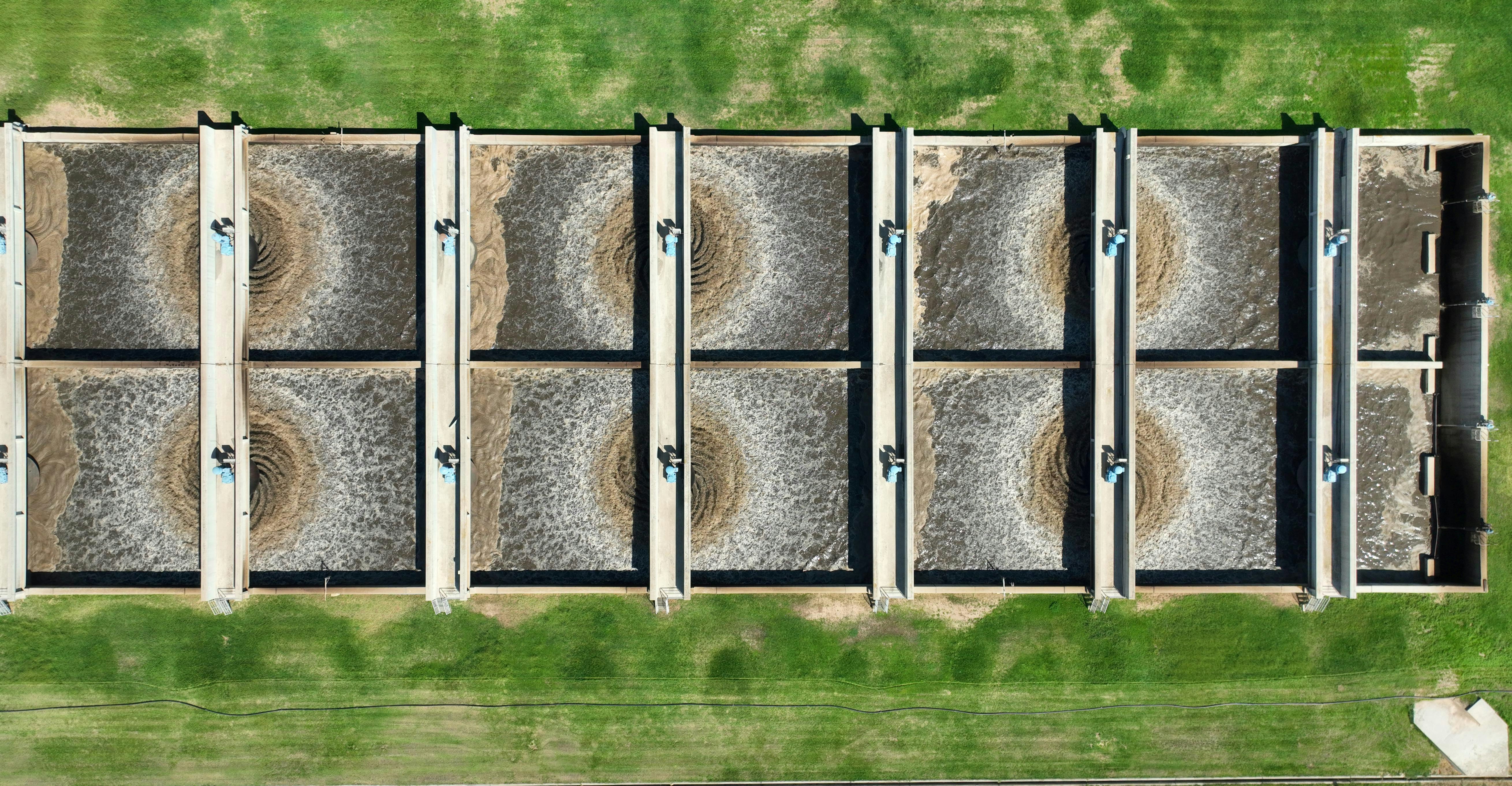
by SELİM ARDA ERYILMAZ (https://unsplash.com/@selimarda6006)
Aeration also minimizes unpleasant odors, which are often a concern in treatment plants. By preventing the formation of anaerobic conditions, harmful gases like hydrogen sulfide are minimized. This results in a more pleasant environment for workers and nearby residents.
The aeration process facilitates the removal of nutrients like ammonia and nitrates. Through nitrification and denitrification, aeration prevents nutrient pollution, which can lead to eutrophication in natural water bodies. This ensures that treated water meets environmental standards.
Key benefits include:
- Enhanced biological treatment
- Reduced BOD and odors
- Nutrient removal
- Compliance with environmental regulations
Effective aeration contributes to the overall success of treatment plants. By optimizing wastewater quality, aeration aids in protecting public health and aquatic ecosystems.
How Aeration Improves Water Quality and Environmental Outcomes
Aeration plays a fundamental role in enhancing water quality in treatment plants. By increasing dissolved oxygen, it supports microbial activity. This leads to more efficient breakdown of organic pollutants.
The process significantly reduces the levels of harmful contaminants in the water. Removal of nutrients like phosphorus and nitrogen helps in preventing algal blooms. Such blooms can deplete oxygen in water bodies, harming aquatic life.
Aeration's role extends beyond treatment plants, benefiting natural ecosystems. It contributes to maintaining the ecological balance of ponds, rivers, and lakes. Proper oxygen levels support diverse aquatic life.
Key benefits of improved water quality through aeration include:
- Reduction of pollutants
- Prevention of algal blooms
- Support for aquatic ecosystems
- Enhanced safety of discharged water
These outcomes underscore the environmental significance of aeration. By ensuring high-quality water discharge, aeration techniques protect both human health and biodiversity. Such benefits make aeration a pivotal component in sustainable wastewater management.
Energy Efficiency and Cost Savings with Modern Aeration Equipment
Modern aeration equipment is designed for energy efficiency, significantly cutting operational costs in wastewater treatment plants. By optimizing oxygen transfer, these systems use less energy. Advanced technologies enhance this efficiency further.
Innovative solutions include variable frequency drives (VFDs) which adjust motor speed based on demand. This ensures energy is not wasted during low loads, providing cost-effective operations. Additionally, smart monitoring systems allow real-time adjustments.
Adopting these technologies leads to substantial financial savings. Plants can benefit from the reduced energy use while maintaining treatment efficiency. These modern systems showcase the balance between high performance and sustainability. Key features of energy-efficient aeration equipment include:
- Variable Frequency Drives
- Real-Time Monitoring
- Optimized Oxygen Transfer
- Reduced Operational Costs
Such advancements align with sustainable practices, benefiting both the environment and treatment plants' budgets. Integrating these energy-efficient solutions is crucial in modern wastewater management.
Innovations and Future Trends in Wastewater Aeration
The future of wastewater aeration is brimming with exciting innovations. These advancements aim to enhance treatment efficiency and reduce environmental impacts. One notable trend is the integration of smart technology.
Smart systems offer real-time monitoring capabilities and can automatically adjust aeration processes. This optimizes performance and conserves energy, aligning with sustainability goals. Additionally, the use of computational fluid dynamics (CFD) is improving system designs.
Another trend focuses on renewable energy sources powering aeration systems. This approach seeks to lower carbon footprints. Emerging technologies are prioritized for their potential to transform water management practices, including:
- Integration of Smart Technology
- Use of Computational Fluid Dynamics
- Renewable Energy Sources
- Emphasis on Sustainability
These trends signal a shift towards more responsible and efficient wastewater treatment strategies. Such innovations are vital for meeting the growing demand for clean water solutions. They reflect a commitment to resilience and adaptability in the face of global challenges.
Best Practices for Selecting and Maintaining Aeration Systems
Selecting the right aeration system requires careful consideration of various factors. Plant size, wastewater characteristics, and regulatory demands should guide your choice. Customizing systems to fit specific needs enhances efficiency and performance.
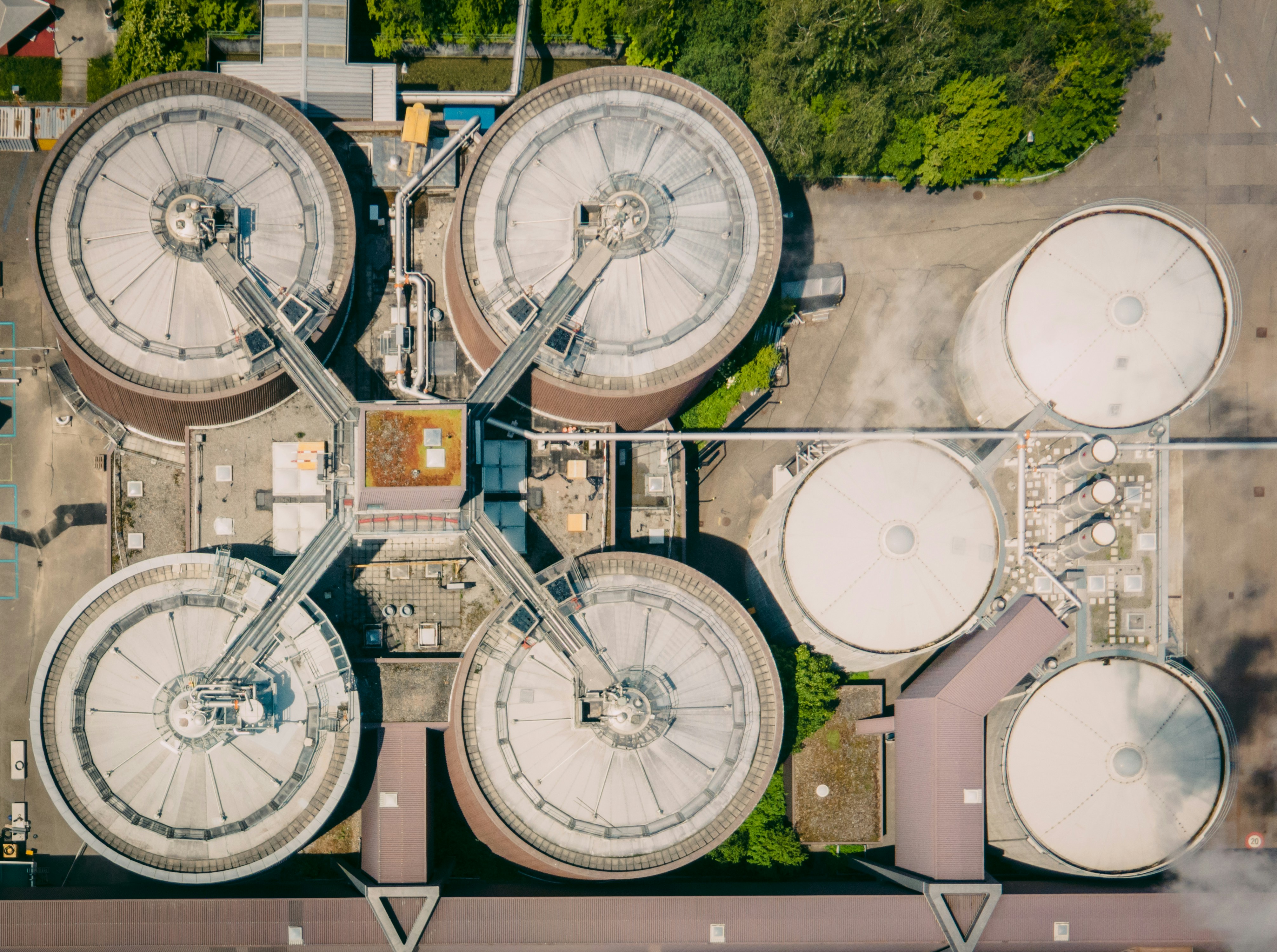
by Patrick Federi (https://unsplash.com/@federi)
Regular maintenance is crucial for sustained operation. It prevents equipment failure and prolongs system life. Routine inspections and timely repairs help maintain optimal functioning. Considerations for effective maintenance include:
- Regular Inspections
- Timely Repairs
- Adherence to Manufacturer Guidelines
- Staff Training Programs
Training staff ensures they can manage and troubleshoot systems effectively. It empowers them to handle issues promptly, minimizing downtime. Ultimately, diligent selection and maintenance practices ensure that aeration systems operate efficiently and cost-effectively.
Conclusion: The Critical Role of Aeration in Sustainable Water Management
Wastewater aeration is indispensable in modern water management. It ensures effective pollutant removal and enhances treatment efficiency. By maintaining optimal oxygen levels, aeration supports vital biological processes essential for clean water production.
With the need for sustainable practices rising, aeration systems play a key role. They help reduce environmental footprints and align with global sustainability goals. Adoption of advanced aeration technologies can further improve environmental outcomes.
The integration of aeration in wastewater treatment secures public health and ecological balance. Investment in this technology is not just a necessity, but a step towards a sustainable future. Proper utilization and maintenance will ensure its continued success in water management.

Connect with Our Expert Engineers Today and Find Solutions for Your Wastewater Challenges

